Foot Pain
Shockwave Therapy for Plantar Fasciitis in Singapore: What Really Works and Why
Dec
Heel pain has a way of creeping into daily life quietly, then stubbornly refusing to leave…
Shockwave therapy for plantar fasciitis in Singapore is often discussed as a treatment option, but its effectiveness depends on how and when it is used within a structured physiotherapy programme.
For many people in Singapore, plantar fasciitis begins as a mild discomfort during the first few steps in the morning, only to progress into persistent pain that affects commuting, standing at work, exercise routines, and even leisure walks around shopping malls or park connectors.
At BMJ Physiotherapy, plantar fasciitis is one of the most common foot conditions treated across our clinics. Shockwave therapy is frequently discussed as a solution—but does it truly work, and under what conditions does it deliver the best outcomes?
This article provides a clear, evidence-based explanation of shockwave therapy for plantar fasciitis in Singapore, how it works, who it is most suitable for, and why results depend on more than the machine alone.
Understanding Plantar Fasciitis: Why Heel Pain Persists
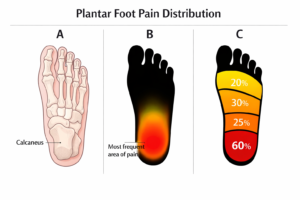
Plantar fasciitis involves irritation and degeneration of the plantar fascia—a thick band of connective tissue that runs along the sole of the foot, supporting the arch and absorbing load during walking and running.
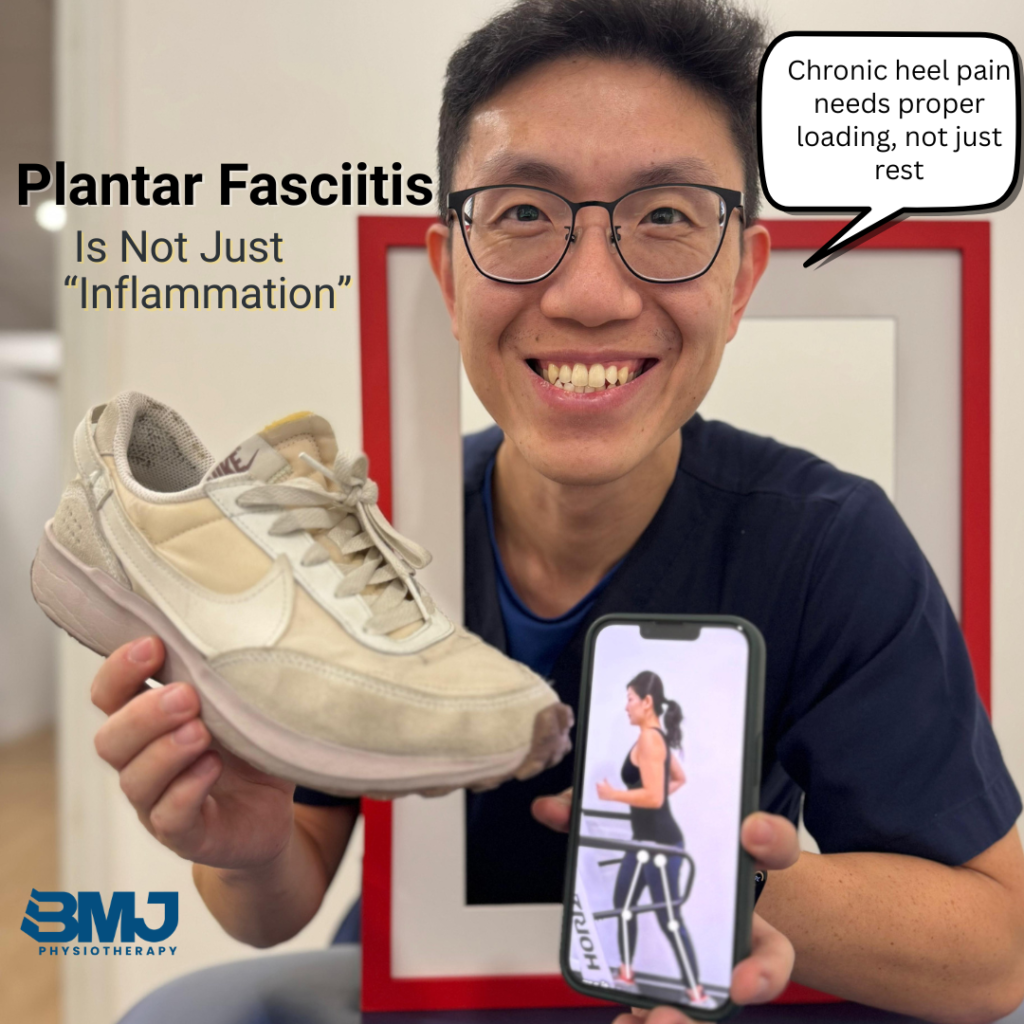
Contrary to popular belief, plantar fasciitis is not simply an inflammatory condition, especially once symptoms persist beyond a few weeks. In chronic cases, the tissue undergoes degenerative changes, becomes less resilient to load, and develops heightened pain sensitivity.
Several factors commonly contribute to plantar fasciitis in Singapore:
- Prolonged standing on hard floors at work
- Sudden increases in walking or step count
- Running without adequate calf or foot strength
- Flat or unsupportive footwear, especially during long mall walks
- Tight calf muscles limiting ankle mobility
- Inadequate recovery in hot, humid conditions
Without proper intervention, the body adapts by altering walking mechanics. This compensation often increases strain on the calf, knee, or hip, allowing the problem to linger for months.
What Is Shockwave Therapy?
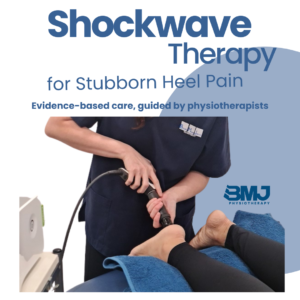
Shockwave therapy, clinically referred to as extracorporeal shockwave therapy (ESWT), uses controlled mechanical sound waves delivered to the affected tissue. In physiotherapy settings, radial shockwave therapy is most commonly used for plantar fasciitis.
Rather than acting as a passive painkiller, shockwave therapy stimulates several biological responses:
- Increased local blood flow
- Reduced pain signalling in hypersensitive tissue
- Stimulation of cellular repair processes
- Improved tissue tolerance to load over time
Multiple clinical studies have demonstrated that shockwave therapy can significantly improve pain and function in chronic plantar fasciitis, particularly when combined with a structured rehabilitation programme.
Does Shockwave Therapy for Plantar Fasciitis in Singapore Work?
Yes—but with an important caveat.In clinical practice, shockwave therapy for plantar fasciitis in Singapore works best when combined with progressive loading, strength training, and proper activity modification.
Shockwave therapy is most effective when it forms part of a comprehensive physiotherapy plan, rather than being used as a stand-alone treatment. In clinical practice, the best outcomes are consistently seen when shockwave is paired with:
- Progressive calf and foot strengthening
- Load management strategies
- Footwear and activity modification
- Gait or movement pattern correction where needed
For patients with heel pain lasting longer than six to eight weeks, shockwave therapy can accelerate symptom relief and allow rehabilitation to progress more comfortably.
Who Benefits Most from Shockwave Therapy?
Shockwave therapy for plantar fasciitis is particularly beneficial for:
- Chronic heel pain persisting beyond 6–8 weeks
- Individuals who have tried rest and stretching without lasting relief
- Active professionals who need to stay mobile for work
- Runners aiming to return to training safely
- Patients seeking a non-invasive alternative to injections
It is less effective when underlying contributors—such as weak calf muscles or poor load tolerance—are not addressed concurrently.
What to Expect During a Course of Shockwave Therapy
At BMJ Physiotherapy, shockwave therapy is never applied in isolation. Each course begins with a thorough assessment to identify the true drivers of heel pain.
A typical treatment plan may include:
Initial Session
- Detailed assessment of foot mechanics, calf strength, and walking tolerance
- Targeted shockwave therapy to the most irritable areas
- Introduction of gentle loading exercises
- Footwear and daily activity guidance
Subsequent Sessions (Weeks 2–3)
- Progression of calf and plantar fascia loading
- Repeat shockwave therapy as indicated
- Monitoring tolerance to standing, walking, and work demands
Later Sessions (Weeks 4–5)
- Heavier strengthening where appropriate
- Gradual return to running or brisk walking
- Education on long-term flare-up prevention
Most patients notice meaningful improvement within two to three sessions, with a typical course consisting of three to five sessions, spaced one week apart.
What Does Shockwave Therapy Feel Like?
Shockwave therapy is often described as a series of sharp taps or pulses over tender areas. While it can be uncomfortable, the intensity is adjusted in real time to remain tolerable.
The sensation lasts only a few minutes per session, and discomfort typically subsides shortly after treatment.
Important Aftercare: What Not to Do
Following shockwave therapy, the tissue enters a responsive phase. To maximise benefit:
- Avoid high-impact activities for 24–48 hours
- Do not aggressively massage the sore area
- Skip heat therapy unless advised otherwise
- Avoid unnecessary anti-inflammatory medication unless prescribed
Light walking is generally acceptable if pain remains mild, and patients are guided clearly on how to progress activity safely.
Shockwave Therapy vs Laser Therapy for Plantar Fasciitis
Both modalities aim to reduce pain and promote healing, but they work through different mechanisms.
- Laser therapy influences cellular metabolism through light energy
- Shockwave therapy provides mechanical stimulation directly to the tissue
For chronic plantar fasciitis, shockwave therapy has shown stronger and more consistent results, particularly when paired with progressive loading exercises. For this reason, it is often the preferred choice for long-standing heel pain.
The Fastest Way to Recover from Plantar Fasciitis
“Fast” recovery does not mean rushing—it means addressing the condition strategically.
An effective recovery plan follows three stages:
- Calm the symptoms
Reduce pain through shockwave therapy, supportive footwear, and controlled activity levels - Restore tissue capacity
Build strength in the calf complex and foot muscles using progressive loading - Correct contributing factors
Improve walking or running mechanics, especially for those who stand long hours or run regularly
This structured approach reduces recurrence and leads to more durable outcomes.
Footwear and Activity Considerations in Singapore
Singapore’s climate and lifestyle influence plantar fasciitis recovery more than many realise.
- Choose breathable shoes with adequate cushioning and mild stiffness
- Avoid prolonged use of flat, unsupportive footwear in malls
- Alternate standing positions during long periods at hawker centres
- Ease back into running with shaded routes and adequate recovery days
These adjustments, while simple, significantly affect recovery speed.
When to Seek Further Medical Input
Physiotherapy is highly effective for plantar fasciitis, but medical review is advised if there are:
- Red flags such as numbness, night pain, or sudden inability to bear weight
- No improvement after a structured 6–8 week rehabilitation programme
- Suspected plantar fascia rupture
BMJ Physiotherapy works closely with doctors and specialists in Singapore when escalation is appropriate.
Why Experience Matters
Shockwave therapy is a tool—not a cure. Outcomes depend on clinical reasoning, accurate diagnosis, and proper rehabilitation planning.
At BMJ Physiotherapy, shockwave therapy is integrated into a personalised programme designed to restore function, not just mask pain. This approach is what allows many patients to return confidently to work, exercise, and daily life without recurring heel pain.

Final Word
Shockwave therapy can be a powerful and effective treatment for plantar fasciitis in Singapore when applied thoughtfully and combined with structured physiotherapy care. Expect gradual but meaningful improvement, guided progression, and a plan that addresses both pain relief and long-term resilience.
If heel pain is limiting your mobility, an experienced assessment makes all the difference.